
Different Type of Spices
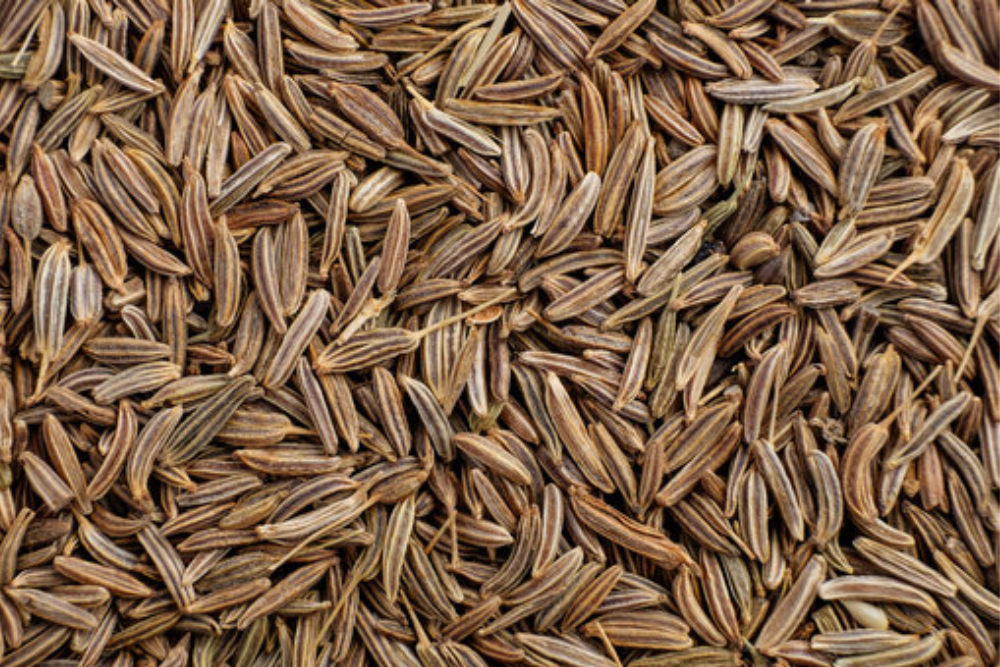
Cumin
Cumin (Cuminum cyminum) is a spice widely used in various cuisines, known for its warm, earthy, and slightly nutty flavor. Here's a general overview of the nutritional content of cumin seeds (per 100 grams).hese values are based on cumin seeds in their whole form. Keep in mind that when cumin is ground and used as a spice in recipes, the quantities used are generally small, so the nutritional
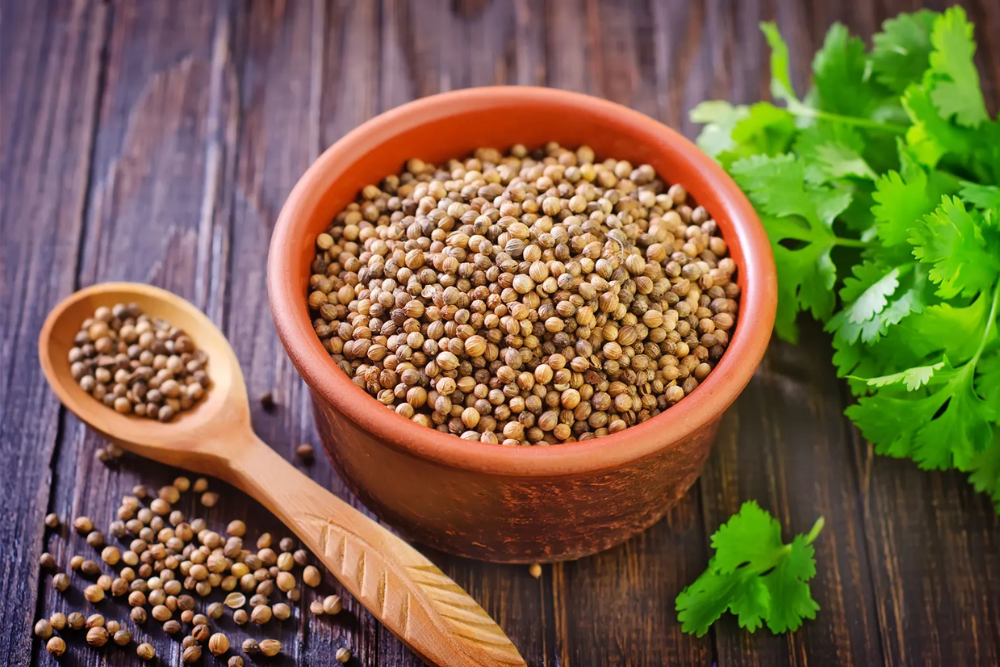
Coriander
Coriander is rich in dietary fiber, vitamins (especially vitamin K and vitamin C), and minerals such as calcium, iron, magnesium, and potassium. The seeds are commonly used as a spice in cooking, while the fresh leaves (cilantro) are often used as a garnish or ingredient in salads, salsas, and various dishes.
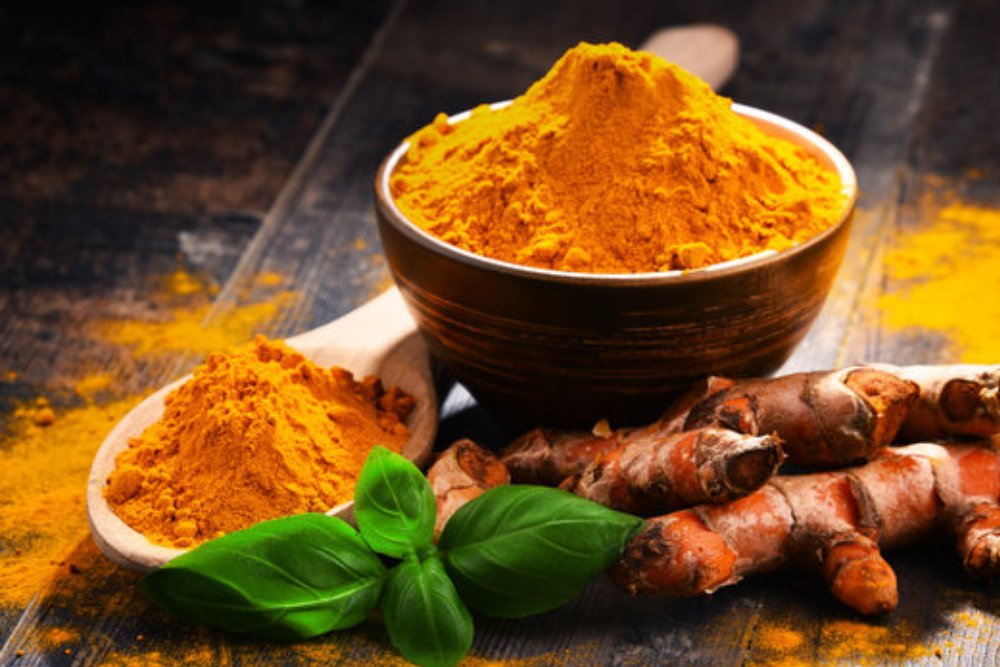
Turmeric
Turmeric (Curcuma longa) is a spice known for its vibrant yellow color and warm, slightly bitter taste. The key active compound in turmeric is curcumin, which is responsible for many of its potential health benefits. Here's a general overview of the nutritional content of ground turmeric (per 100 grams).Keep in mind that the nutritional values mentioned here are for ground turmeric.
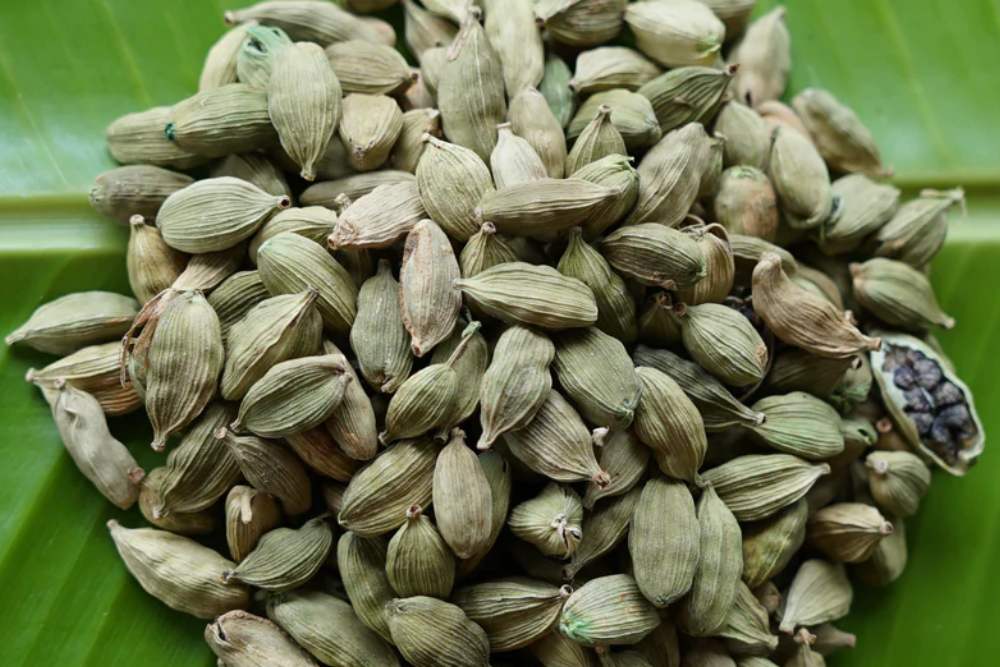
Cardamom
Cardamom is not only prized for its unique flavor but also for its potential health benefits. It is often used in various cuisines, particularly in Indian, Middle Eastern, and Scandinavian cooking. Cardamom is used both in ground form and as whole pods in cooking and baking. The nutritional values mentioned here are based on ground cardamom.
© Anax Infotech. All rights reserved 2021.